One of our nation’s finest sons, who sacrificed his life for the freedom of Alash.
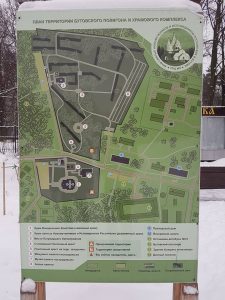
Around 1935, the Economic Administration of the NKVD began searching for designated burial sites. Three locations were selected in the vicinity of Moscow, one of them near the village of Butovo. Local residents were informed that a military training and firing range would be established nearby.
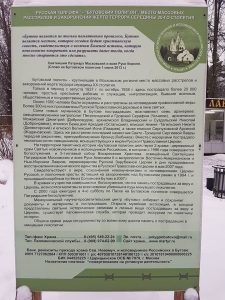
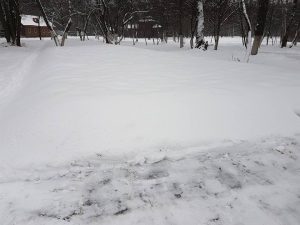
Between 8 August 1937 and 19 October 1938, a total of 20,761 people were executed and buried at this site. Thirteen burial trenches had been excavated in advance using mechanical excavators. Each was approximately 4–4.5 metres deep, 4.5–5 metres wide and 70 metres long. Prisoners sentenced to death were transported from Moscow prisons to the Butovo firing range during the night. Upon arrival, they were confined under guard, and their identities were checked against official records. At dawn, a specially assigned execution squad arriving from Moscow began its bloody work.
The prisoners were brought to the edge of the trenches in small groups, shot at close range and thrown into the pits. It was here, at the Butovo firing range, that our revered Zhahansha spent his final morning on 3 August 1938. That morning, the executioners led him to one of the thirteen trenches, shot him at point-blank range and cast his body into the pit. Thus, one of the noble sons of our nation, who had fought for the brighter future we enjoy today, became a victim of brutal oppression.
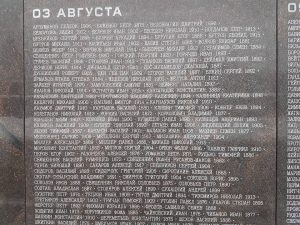
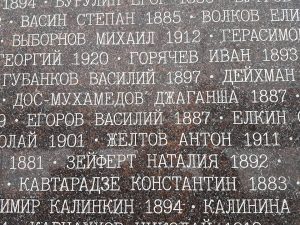
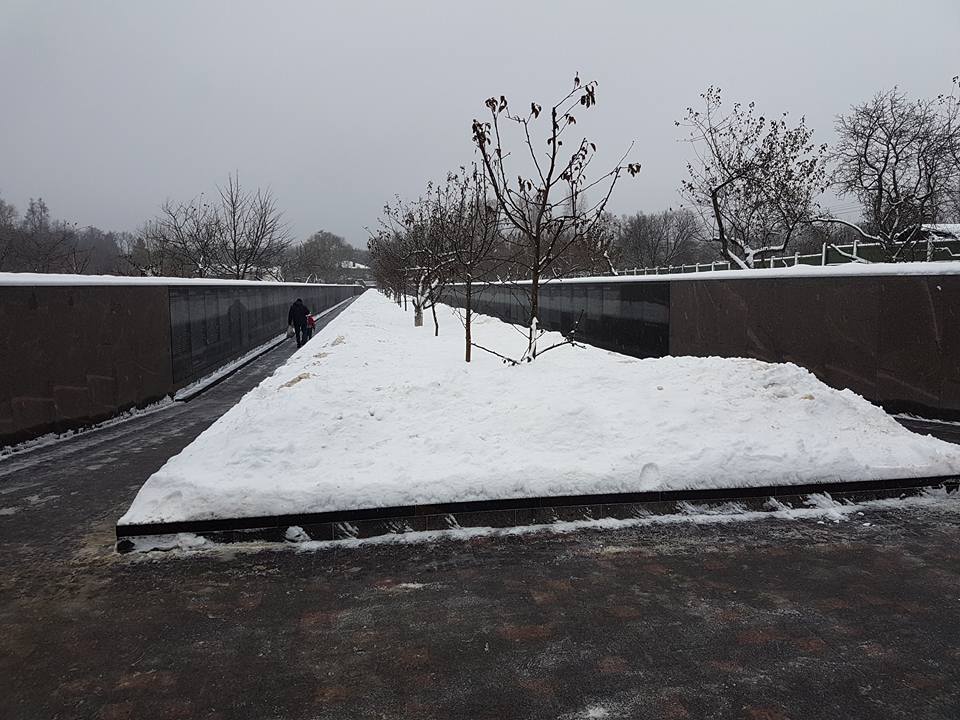
In 1962, the Butovo firing range was enclosed by a high wooden fence. The site remained under strict state protection until 1995. However, from 1990 onwards, documents concerning the execution of death sentences gradually began to be declassified. From that time, descendants of those who had perished there began visiting the site to pay their respects and honour the memory of their loved ones. Neither the state nor any political organisation was willing to assume responsibility for transforming the scene of these mass killings into a place of remembrance. Instead, the descendants of the victims of political repression came together and voluntarily undertook this responsibility. They cleared and restored the grounds, which had become overgrown with dense trees and grass. As the earth above the thirteen burial trenches had subsided, additional soil was brought in to raise and restore the ground. In 2002, the Butovo Scientific, Educational and Memorial Centre was established. Through the efforts of this centre and with public support, the names of all those who perished were recorded and a special memorial bearing their names was erected.
Although the remains of our nation’s heroes lie far from their homeland, the places where they rest will always be sacred to us. May your soul rest in Paradise, our revered Zhahansha, who sacrificed your life for our freedom!
Zhantas NABIOLLAULY
From the author’s Facebook page
11 December 2017