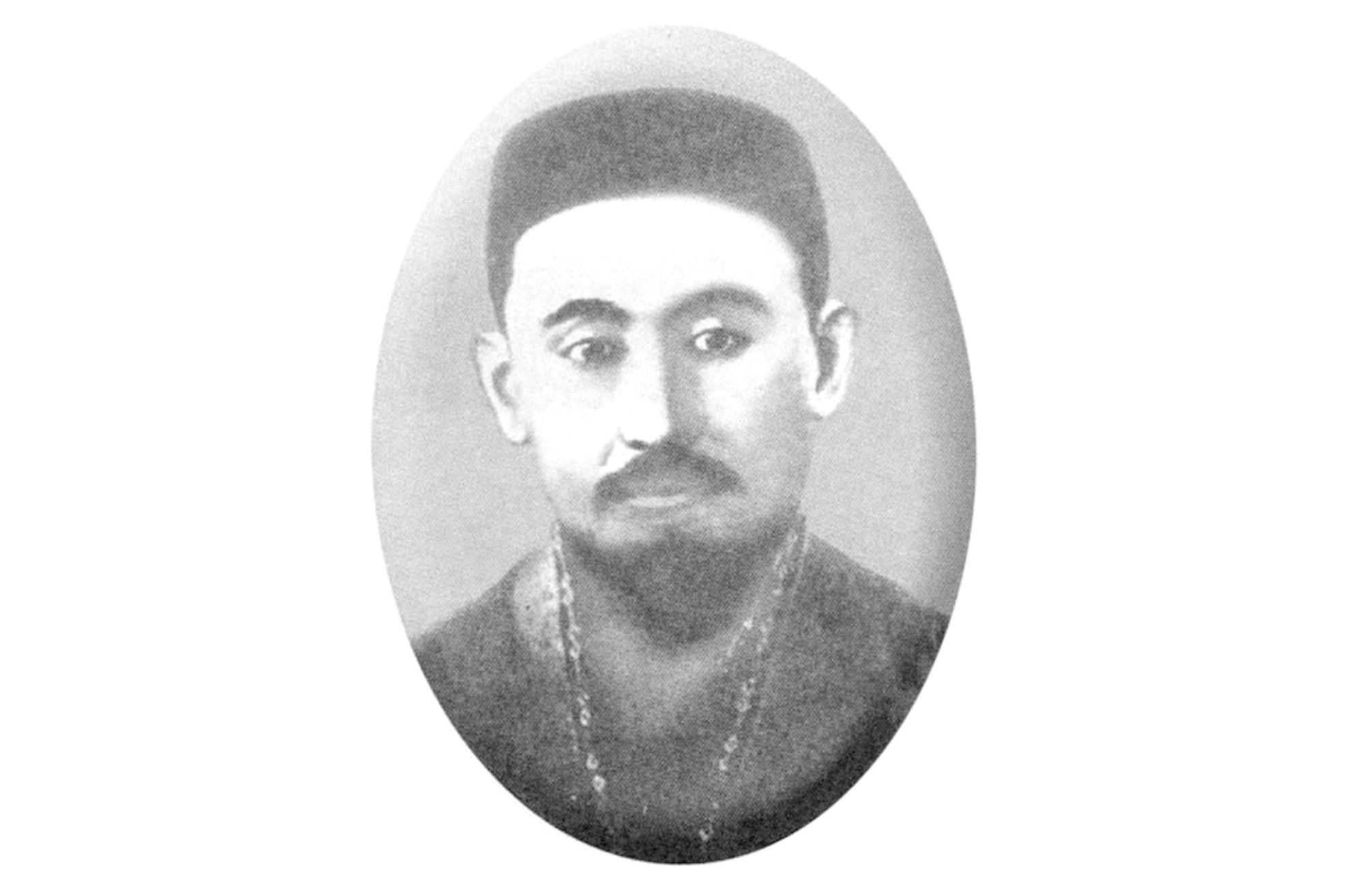
Gumar Karash was a forward-thinking poet, philosopher and educator who described the early twentieth century as a time of hardship and turmoil. A man whose actions matched his words, he possessed a profound knowledge of religion and held senior religious positions. He later openly challenged the ignorance of poorly educated clerics and devoted himself to educational work. He dreamed of freedom for his nation and dedicated his efforts to achieving it. His contribution to education and the development of Kazakh oral and written literature was considerable.
Among his published works were Oiga Kelgen Pikirlerim, Badel-Hajy, Bala Tulpar, Aga Tulpar, Qarlygash, Ornek, Tumysh and Turymtai, alongside his philosophical writings. Between 1910 and 1912, he published pioneering collections of Kazakh heroic poetry, including Shaiyr, Yaki Qazaq Aqyndarynyng Basty Zhyrlary and Koksilder, Yaki Buryngy Myrza Uly Ham Nogaily Batyrlary Ua Ghairi Magynaly Zhyrlar.
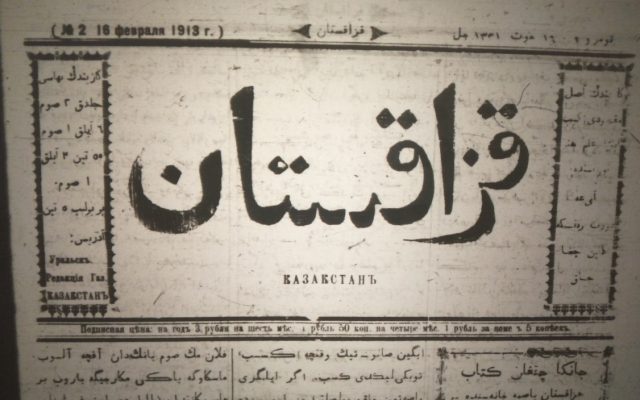
At a time when there was not a single newspaper in the Kazakh steppe dedicated to defending the interests of the people, Karash helped establish Qazaqstan (Kazakhstan), a newspaper intended to spread knowledge and encourage the acquisition of practical skills and trades. He also organised and headed Mugalim (The Teacher), a pioneering scholarly journal devoted to education, literacy and upbringing.
His articles, poems and reflections appeared in the widely read journals Aiqap, Mugalim and Shora, as well as the newspapers Qazaqstan, Uran, Durystyq Zholy (The Path of Truth) and Qazaq Durystygy (Kirgizskaya Pravda, meaning “Kazakh Truth”), alongside other Tatar-language publications of the period. Through these writings, he encouraged his people to pursue education, develop practical skills and strengthen unity and solidarity.
The newspapers Durystyq Zholy and Qazaq Durystygy were among the predecessors of today’s regional newspaper Oral Öñiri. Notably, it was Gumar Karash who proposed the title Durystyq Zholy, and the newspaper opened with his poem of the same name.
We often praise Gumar Karash and speak with admiration of his achievements. Yet truly understanding a person requires more than acknowledging their reputation: we must know what they said and what they did. This raises an important question. How well do we really know Gumar Karash? Have we read even one of the works mentioned above from beginning to end? Most of us, I suspect, would have to answer no.
The first scholar to undertake a thorough and systematic study of Karash’s literary legacy was Kabibolla Sydykov, a Candidate of Philological Sciences. In 1994, a research and editorial team led by Sydykov published a collection of Karash’s works entitled Zamana (The Times). Unfortunately, only 1,000 copies were printed. Published during a difficult period for the country, the book never achieved wide distribution.
During the Soviet era, a major obstacle to studying Gumar Karash’s works was a 1947 resolution of the Central Committee of the Communist Party (Bolsheviks) of Kazakhstan, entitled “On Gross Political Errors in the Work of the Institute of Language and Literature of the Academy of Sciences of the Kazakh SSR.”
The resolution identified Karash as one of the figures associated with Alashorda, which the Soviet authorities characterised as a bourgeois-nationalist organisation hostile to the revolution. His name was removed from school textbooks, while further research into and public discussion of his writings were prohibited. Only after Kazakhstan gained independence did the opportunity arise to study his life and intellectual legacy openly.
As the regional newspaper Oral Öñiri approaches its 95th anniversary, we have decided to introduce readers to the writings of Gumar Karash, one of our nation’s distinguished historical figures and a man whose work helped lay the foundations of this newspaper.
Dear reader, many of the shortcomings that existed a century ago remain with us today. As you read Karash’s poetry, consider whether the faults he describes can still be found in yourself or in those around you. Reflect on this question sincerely, and read each poem carefully, allowing its message to speak to your heart.
Some passages, however, should be understood in the context of their time. Karash, for example, was sharply critical of Sufis. In these instances, his criticism was directed at hypocrites, the ignorant and those who falsely presented themselves as followers of Sufism.
Indeed, in his 1910 collection of philosophical reflections, Palsapalyq Oi-Tolgamdar, Oiga Kelgen Pikirlerim, he wrote:
“There is no doubt that the teachings and guidance of genuine Sufis are beneficial to the people.”
Anyone who turns to the works of Gumar Karash, a man who genuinely cared about the future of his country, can find something of value and enrich their inner life. By sharing what we learn with our relatives, friends and future generations, we can spread that wisdom and bring a little more goodness into the lives of those around us.
Zhantas NABIOLLAULY
Originally published in Oral Öñiri, No. 92, 25 July 2013.
Tumysh — a collection by Gumar Karash, published in 1911
Published by the Sharq Printing House, Ufa, 1911.